Introduction
Europe brings people together through music, culture, business, and entertainment. Every city offers different experiences for visitors and local communities. People can attend live concerts, explore food festivals, join professional conferences, or learn new skills through workshops.
Finding a suitable event takes more than a quick search. Visitors need reliable details about dates, venues, ticket prices, and registration rules. Organizers also need a clear way to present their events and reach interested audiences.
Online event platforms make this process easier to manage. Visitors can explore different event categories and compare available information. Organizers can publish event details and share updates with potential attendees.
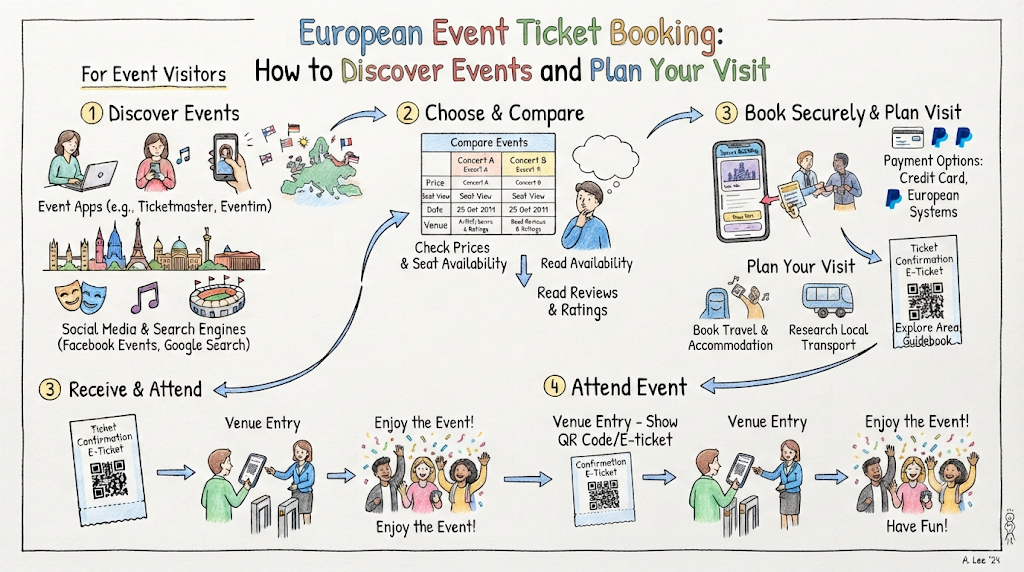
This guide explains how to discover events across Europe, choose suitable tickets, and prepare for your visit. It also shares practical advice for organizers who want to manage and promote events online.
Discover Different Types of Events Across Europe
Europe offers events for different interests and age groups. Some activities attract international visitors, while others focus on local communities.
Understanding the main event categories can help you choose the right experience.
Music Concerts and Festivals
Music events attract people who enjoy live performances. Visitors can explore concerts, music festivals, local performances, and entertainment shows.
Before booking, check the artist information, event schedule, and venue. Also, review the available ticket categories.
People searching for concert tickets in Europe should compare the event details before choosing a show. Ticket prices and benefits can vary between events.
Business Conferences and Networking Events
Business conferences help professionals learn about industry developments. They also create opportunities to meet people and exchange ideas.
Common conference topics include:
- Technology and software development.
- Finance and business management.
- Marketing and communication.
- Healthcare and professional services.
- Entrepreneurship and innovation.
Check the conference agenda before registering. Make sure the topics match your professional interests.
Cultural Events and Local Festivals
Cultural events help visitors understand local traditions. These activities may include art exhibitions, theatre performances, food festivals, film screenings, and traditional celebrations.
Such events can add value to a city visit. They also give travellers opportunities to experience local communities.
Workshops and Learning Activities
Workshops focus on practical learning. Participants may explore creative skills, business topics, technology, or personal development.
Check the session duration and language before booking. Also, review any equipment or materials that participants must bring.
Trade Shows and Exhibitions
Trade shows connect companies, buyers, and industry professionals. Visitors can explore products, services, and business ideas.
Exhibitions may focus on art, technology, fashion, travel, or other industries. Review the event information to understand its purpose and audience.
How to Find Upcoming Events in Europe
Searching for events becomes easier when you know what you want to attend. A clear search process helps you avoid unrelated listings.
Begin With Your Interests
Choose an event category that matches your plans. For example, music fans can search for concerts and festivals. Professionals can explore conferences and industry meetings.
Travellers may prefer cultural activities and local celebrations.
Choose Your Preferred City
Select a destination before comparing events. You can search in one city or explore nearby locations.
Think about your accommodation and travel arrangements. An event close to your location may save time and transport costs.
Check Event Dates and Timings
Compare event dates with your personal schedule. Check the starting time and expected duration.
Some events run for a few hours. Others include several sessions across multiple days.
If you plan to attend more than one event, check for schedule conflicts.
Read Event Descriptions Carefully
The event title may not provide enough information. Read the complete description before making a decision.
Look for these details:
- Main event purpose and activities.
- Date, time, and duration.
- Venue name and full address.
- Available ticket categories.
- Registration instructions.
- Attendance and entry requirements.
- Organizer information.
These details help you understand what to expect.
Explore Events in Berlin and Paris
Berlin and Paris attract visitors who enjoy entertainment, culture, and professional activities. Both cities offer different event experiences.
Find Interesting Events in Berlin
Berlin has a varied cultural and entertainment scene. Visitors can explore music performances, festivals, exhibitions, and business gatherings.
People interested in creative industries may find art and cultural events useful. Professionals can also explore conferences and networking activities.
Before booking an event in Berlin, review these points:
- Check the event date and starting time.
- Confirm the venue address.
- Review available transport options.
- Compare ticket categories and prices.
- Read the event schedule.
- Check for updates from the organizer.
Berlin covers a large area. Therefore, consider travel time between your accommodation and the event venue.
Discover Events in Paris
Paris offers experiences related to art, fashion, music, food, and business. Visitors can explore concerts, exhibitions, theatre performances, and professional conferences.
The city attracts international audiences throughout the year. Some events may provide information or sessions in different languages.
Check the event language before booking. Also, review the venue location and available transport options.
Compare Event Tickets Before Making a Booking
Choosing an event ticket requires careful attention. Visitors should compare more than just the displayed price.
Different events may offer different ticket categories and conditions.
| Comparison Factor | What to Review | Why It Is Important |
|---|---|---|
| Event Category | Concert, festival, conference, or workshop | Confirms your interest |
| Event Date | Date and starting time | Helps organize your schedule |
| Venue | Full address and location | Supports travel planning |
| Ticket Price | Available prices and categories | Helps manage your budget |
| Ticket Benefits | Stated features of each category | Explains the available options |
| Entry Conditions | Age limits and attendance rules | Prevents confusion |
| Booking Terms | Cancellation and refund policies | Clarifies booking conditions |
Understand Available Ticket Categories
Some events provide multiple ticket options. These may include standard entry, reserved seating, or special access.
However, ticket categories differ between organizers. Read the information carefully before selecting an option.
Do not assume that a higher-priced ticket includes additional benefits. Check the details provided with each category.
Check the Total Booking Cost
Review the displayed price and any additional charges during booking. Understand the final amount before completing your purchase.
Keep your event budget in mind. This can help you avoid unexpected spending.
Review Cancellation and Refund Conditions
Every event may follow different booking conditions. Read the stated cancellation, refund, and ticket transfer rules.
If something remains unclear, contact the organizer or booking provider before confirming your purchase.
Save Your Booking Confirmation
After completing your booking, check the confirmation details. Make sure the event name, date, ticket category, and ticket quantity are correct.
Keep your ticket accessible. Follow the organizer’s instructions for entry.
Prepare Properly Before Attending an Event
Good preparation helps visitors enjoy events without unnecessary stress. A few simple checks can make the experience easier.
Plan Your Travel
Check the venue address and transport options. Review nearby public transport, parking facilities, and walking routes.
If you travel from another city, allow enough time for delays.
Keep Important Documents Ready
Some events may require identification or booking confirmation. Review the entry instructions before leaving.
International visitors should also check visa and travel requirements through official government sources.
Check Event Updates
Organizers may change the schedule, venue, or entry arrangements. Review the latest announcements before travelling.
Avoid depending only on older messages or saved screenshots.
Prepare Your Event Budget
Your event expenses may include more than the ticket price.
Consider the following costs:
- Event tickets.
- Local transport.
- Food and refreshments.
- Accommodation.
- Parking and other travel expenses.
Planning these costs can help you manage your overall budget.
Follow Venue Rules
Different venues may have different entry policies. Some may restrict outside food, large bags, cameras, or other items.
Read the instructions before attending. This can help prevent delays at the entrance.
What Should Organizers Include in an Event Listing?
A useful event listing gives visitors the information they need before booking. Organizers should keep descriptions accurate, complete, and easy to understand.
Create an Informative Event Title
Choose a title that clearly explains the event. Include its main category or subject when useful.
Avoid unclear names that do not tell visitors what the event offers.
Write a Clear Event Description
Explain the purpose of the event and its main activities. Mention the intended audience and important highlights.
For example, a conference listing should explain its main topics. A festival description should provide useful information about its activities and schedule.
Provide Accurate Date and Venue Information
Add the correct date, starting time, and venue address. Include location instructions when necessary.
For online events, explain how attendees can access the session.
Explain Ticket Categories and Prices
Present ticket options in a clear format. Explain the price and stated benefits of each category.
Visitors should understand their choices before they register.
Make Registration Instructions Simple
Explain how people can register or purchase tickets. Mention the information they need to provide.
Also, clarify what happens after registration.
Keep Event Details Updated
Review your listing regularly. Update the schedule, venue, or ticket information when changes occur.
Accurate details help visitors plan their attendance.
Choosing the Right Event Ticketing Platform in Europe
An online event ticketing platform helps organizers publish event information and present ticket options. It also gives visitors a digital way to explore available events.
However, each platform may offer different services. Organizers should compare available features with their actual requirements.
| Selection Factor | What Organizers Should Check | Main Purpose |
|---|---|---|
| Event Publishing | Title, description, date, and venue options | Present complete event details |
| Ticket Management | Ticket categories and pricing | Explain booking choices |
| Registration | Sign-up process and instructions | Guide attendees |
| Event Discovery | Categories and published listings | Help visitors find events |
| Organizer Controls | Options for updating information | Manage event details |
| Service Terms | Fees, conditions, and support | Understand platform services |
Check Platform Usability
The platform should make event publishing simple. Visitors should also find event information without confusion.
A complicated process can create difficulties for organizers and attendees.
Review Ticket Management Options
Understand how the platform displays ticket categories and prices. Check which ticket-related activities the service supports.
Do not assume every platform provides identical features.
Understand Registration Options
Review the registration process before choosing a service. Check what information visitors must submit.
The process should match the size and requirements of your event.
Compare Pricing and Service Terms
Read the platform’s pricing structure carefully. Check service charges and any additional costs.
Also, review customer support and other service conditions before making a decision.
How Organizers Can Promote Events Online
Publishing an event does not guarantee that people will discover it. Organizers also need a suitable promotion plan.
A clear message can help interested audiences understand the event.
Use Social Media
Share event information through relevant social media channels. Include the event name, date, location, and registration details.
Use short messages that explain the main purpose of the event.
Create Search-Friendly Event Content
Write a useful event description with relevant search terms. Mention the event category and destination naturally.
For example, organizers can use phrases such as “business conferences in Europe” when describing suitable professional events.
Avoid keyword repetition. Focus on information that helps visitors make decisions.
Reach Relevant Communities
Share event details with groups that have an interest in the topic.
Professional communities may help promote conferences. Local groups may help spread information about cultural events and festivals.
Choose audiences that match your event.
Share Regular Updates
Publish important announcements before the event. Update visitors when schedules, venues, or registration details change.
Clear communication helps people prepare and reduces repeated questions.
Encourage Early Planning
Publish event details early enough for visitors to arrange their schedules. Some people may need to plan transport and accommodation.
Mention registration deadlines when applicable.
How MyEventsNow EU Helps Connect Organizers and Attendees
Event discovery can become difficult when information appears across many different sources. An online marketplace can help bring event listings and interested audiences together.
MyEventsNow EU is a European event discovery, online ticket booking, and event management marketplace. It connects event organizers, venues, businesses, and attendees across Europe.
Visitors can explore different event categories and review available listings. These categories include concerts, festivals, business conferences, workshops, and cultural activities.
Organizers can present event information to potential attendees. They should prepare accurate descriptions, schedules, venue details, and ticket information before publishing.
A complete event listing helps visitors understand what an event offers. It also helps organizers communicate important details more clearly.
Common Event Booking Mistakes to Avoid
Visitors can prevent many booking problems by checking important details before making a purchase.
Here are some common mistakes to avoid:
- Ignoring the event date: Confirm the correct date and starting time.
- Skipping the event description: Read the complete listing before booking.
- Overlooking the venue: Check the full address and travel options.
- Choosing only by price: Compare ticket categories and stated benefits.
- Ignoring booking conditions: Review cancellation and refund rules.
- Forgetting the ticket confirmation: Save your booking information.
- Missing event updates: Check the latest announcements before travelling.
Organizers should also avoid incomplete descriptions, incorrect prices, and unclear schedules. Accurate information creates a better experience for visitors.
Frequently Asked Questions
How can I find upcoming events in Europe?
Explore online event marketplaces, venue websites, and organizer pages. Search by destination, date, and event category to find suitable activities.
What types of events can I attend in Europe?
You can explore concerts, festivals, conferences, workshops, exhibitions, trade fairs, and cultural celebrations. Available events depend on the city and date.
How can I discover events in Berlin?
Search by event category and date. Compare music, cultural, entertainment, and business listings before choosing an activity.
Where can I find events in Paris?
Explore listings from local venues, event organizers, and online marketplaces. Look for concerts, exhibitions, theatre performances, and professional gatherings.
What should I check before booking concert tickets in Europe?
Review the artist, event date, venue, ticket price, and entry conditions. Read the booking terms before completing your purchase.
How can I choose a suitable business conference?
Compare the conference topic, agenda, speakers, location, and registration details. Select an event that matches your professional interests.
What is an online event ticketing platform?
An online event ticketing platform helps organizers publish events and present ticket information. Some services also support registration and event management.
How can organizers sell event tickets online?
Organizers can choose a suitable platform and publish complete event details. They should explain ticket categories, prices, and booking instructions clearly.
What should I consider when choosing an event registration platform?
Compare registration steps, ticket management, publishing options, pricing, and customer support. Review the service terms before selecting a provider.
How can organizers list events on MyEventsNow EU?
Organizers can visit MyEventsNow EU and review its available event publishing options. They should prepare accurate descriptions, dates, schedules, venue details, and ticket information.
Final Thoughts
Europe offers many opportunities for entertainment, learning, and professional connections. Visitors can find suitable activities by searching carefully and comparing event details. Checking dates, venues, ticket options, and booking conditions helps prevent common problems.
Organizers also need complete event listings and clear registration instructions. Accurate information helps visitors understand their choices. Online platforms can support event discovery and promotion across European destinations. With proper planning, visitors can enjoy better experiences, while organizers can connect with audiences interested in their events.