
Introduction
A rental vehicle can make your next trip simple and flexible. You can explore a new city, visit family, or plan a weekend escape. You can also travel without the cost of owning a vehicle. The right choice depends on your route, budget, and travel needs.
Before you book, take time to compare your options. Check the rental terms and inspect the vehicle before leaving. These steps can help you avoid extra costs and common problems. This guide explains how to rent a vehicle with greater confidence. You can also visit MotoShare.asia for vehicle rental information.
1. Choose Your Travel Style
Your travel plans will help you decide which vehicle to rent. Think about where you want to go and who will travel with you.
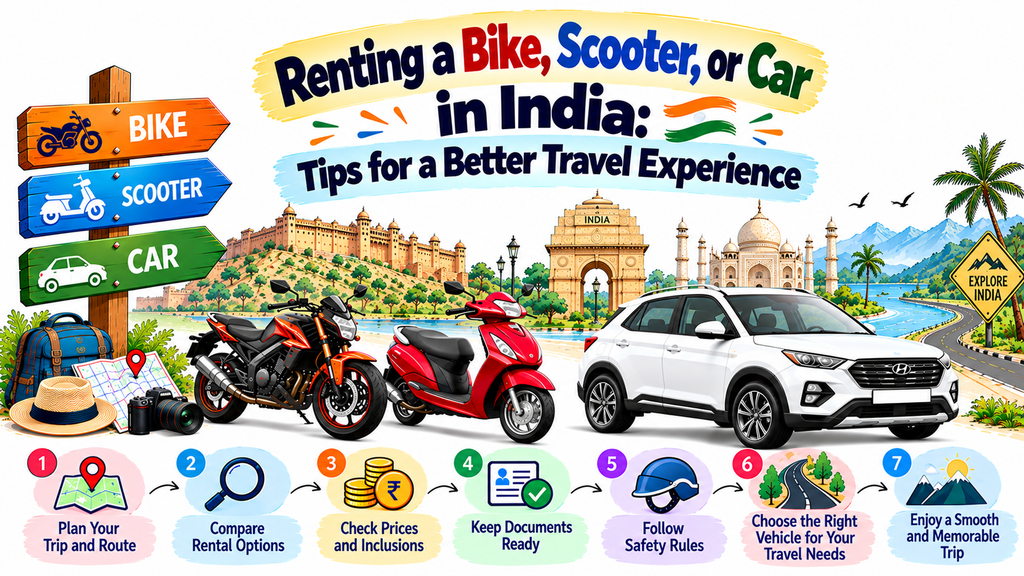
A scooter may suit short trips through busy streets. A motorcycle may work well for solo travel. A car can provide more space for families and groups.
Consider these questions before booking:
- How many people will travel?
- How much luggage will you carry?
- Will you travel within one city?
- Do you plan to visit another town?
- How many hours or days will you need the vehicle?
- Are you comfortable driving the chosen vehicle?
- Does your budget cover fuel and other travel costs?
Your answers will help you avoid choosing a vehicle that does not meet your needs.
2. Compare Your Vehicle Choices
Each vehicle type offers different benefits. Use this table to find a suitable option for your journey.
| Vehicle type | Best suited for | Main benefit | Important consideration |
|---|---|---|---|
| Scooter | Short local journeys | Simple city travel | Limited luggage space |
| Motorcycle | Solo trips and selected road journeys | Flexible movement | Riding skills and comfort |
| Hatchback | Small groups and city travel | Compact size | Limited boot space |
| Sedan | Couples and family trips | Comfortable seating | Parking needs |
| SUV | Larger groups and suitable road trips | More cabin space | Fuel use and size |
Do not focus only on the rental price. Think about passenger comfort, luggage, road conditions, and parking. Choose a vehicle that you can handle safely.
3. Search for a Rental Provider
Look for providers that serve your pickup location. Compare their prices, booking rules, and vehicle details before making a choice.
Read customer reviews to learn about other people’s experiences. Look for clear information about deposits, refunds, cancellations, and emergency support.
Before confirming your booking, ask the provider:
- Is the vehicle available for my dates?
- What is the full rental price?
- Where can I collect and return it?
- What documents do I need?
- Is there a daily distance limit?
- What happens if I return it late?
- Who can help during a breakdown?
Keep the answers in writing whenever possible. Save your booking confirmation and payment receipt.
4. Plan Your Rental Budget
A rental fee may not include every cost. You should estimate the full travel expense before paying.
| Cost | What to review |
|---|---|
| Rental charge | Price for the full booking period |
| Security deposit | Amount held and refund terms |
| Fuel | Payment rules and return fuel level |
| Extra distance | Charges beyond the included limit |
| Insurance | Coverage and possible excess payments |
| Tolls | Road charges along your route |
| Parking | Fees at stops and destinations |
| Late return | Extra charges for delays |
| Damage | Rules for repairs and new damage |
Ask the provider to explain unclear charges. Check whether the price changes with your rental dates. Keep extra money for unexpected travel needs.
5. Get Your Documents Ready
Prepare your documents before visiting the pickup location. This can help you avoid delays.
Most rental providers ask for a valid driving licence and identity proof. They may also request booking details, payment information, and a security deposit.
Check that your licence covers the vehicle you want to use. Foreign visitors should confirm the local rules for their licence and travel documents.
Never drive without the correct licence. Keep your documents safe during the trip.
6. Understand the Rental Conditions
Read the rental agreement before accepting the vehicle. It explains your responsibilities and the provider’s rules.
Check the following details carefully:
- Booking start and end times
- Distance limits
- Allowed travel areas
- Fuel requirements
- Cancellation rules
- Insurance coverage
- Accident reporting steps
- Damage charges
- Deposit refund conditions
Ask questions if any term seems unclear. Do not rely on a verbal promise alone. Keep a copy of the agreement until the provider settles your booking.
7. Check the Vehicle Before Departure
A vehicle inspection can help you identify problems before your journey. Do not skip this step, even when you feel rushed.
For a scooter or motorcycle, check the tyres, brakes, mirrors, lights, indicators, and horn. Inspect the helmet and make sure it fits properly.
For a car, check the seat belts, tyres, mirrors, lights, and basic controls. Look for warning lights on the dashboard. Ask about the spare tyre and emergency equipment.
Take clear photos of the vehicle from different angles. Record any scratches, dents, or broken parts. Share these details with the provider before leaving.
If the vehicle has a serious safety issue, do not use it. Ask the provider for help or another vehicle.
8. Review Insurance and Emergency Services
Insurance terms can affect your costs after an accident. Always understand the coverage before you start your journey.
Ask whether the policy covers damage to the rental vehicle, theft, and third-party damage. Check exclusions and the amount you may need to pay after a claim.
Find out whether the provider offers roadside assistance. Save the emergency contact number on your phone.
If an accident happens, check for injuries first. Contact emergency services when needed. Move to a safe place if possible and inform the rental provider.
Follow the agreement and keep records of important messages, photos, and reports.
9. Prepare Your Route and Travel Time
A clear route can make your trip easier. Check the roads and expected travel time before leaving.
Follow these practical tips:
- Choose your main route in advance.
- Check the weather forecast.
- Locate fuel stations along the way.
- Plan breaks for long journeys.
- Keep your phone charged.
- Save offline maps if useful.
- Allow extra time for traffic.
- Share your travel plan with someone you trust.
Avoid unsafe shortcuts on unfamiliar roads. Follow traffic signs and local rules. Stop in a safe place before checking your phone or changing directions.
10. Follow Basic Road Safety Rules
Safe travel begins with careful driving. Follow traffic laws and adjust your speed to the road conditions.
Wear a helmet when riding a scooter or motorcycle. Use seat belts in a car. Never drive after drinking alcohol or taking substances that affect alertness.
Keep enough distance from other vehicles. Avoid sudden turns and hard braking. Stop for rest when you feel tired.
Do not overload the vehicle or carry more passengers than allowed. Keep luggage secure and avoid distractions while driving.
11. Manage Breakdowns and Accidents
Vehicle problems can happen during any journey. Stay calm and focus on safety.
If your vehicle breaks down, move away from traffic when possible. Contact the rental provider and explain the problem. Share your location and follow their instructions.
Do not continue driving if a serious fault makes the vehicle unsafe. Ask for roadside help or approved repair support.
If an accident occurs, check for injuries and call emergency services when needed. Inform the provider and follow local reporting rules. Keep useful records for insurance or later discussions.
12. Return the Vehicle Correctly
A proper return can help you avoid disputes and extra fees. Plan your return time before the booking ends.
Before handing over the vehicle:
- Return it to the agreed location.
- Follow the fuel policy.
- Remove your personal belongings.
- Check the vehicle for new damage.
- Take clear return photos.
- Report any new problem.
- Ask for written return confirmation.
- Save the final receipt.
Confirm when the provider will refund your deposit. Review the final bill and ask about any unexpected charge. Keep your records until the booking is fully settled.
Mistakes to Avoid When Renting a Vehicle
Small mistakes can make a rental trip more costly or stressful. Keep these points in mind.
Choosing only by price: Compare the full cost, not just the starting rate.
Skipping the inspection: Record existing damage before you leave.
Ignoring the agreement: Check distance limits, fuel rules, and return conditions.
Forgetting insurance details: Understand coverage and possible extra payments.
Returning the vehicle late: Allow time for traffic and unexpected delays.
Failing to save receipts: Keep proof of payment and return confirmation.
Choosing a vehicle beyond your skills: Rent only a vehicle you can operate safely.
Frequently Asked Questions
1. Can I rent a scooter for a short trip?
Some providers offer short rental periods. Check the minimum booking time and price before confirming.
2. Is a motorcycle suitable for long journeys?
It can suit some long journeys if you have the right skills and preparation. Check road conditions, vehicle comfort, and rental restrictions first.
3. Can I rent a car for family travel?
Yes, if a suitable car is available and you meet the provider’s requirements. Check passenger space, luggage capacity, and seat belts.
4. Which documents do rental providers require?
They commonly ask for a valid driving licence and identity proof. Some may request additional documents or payment details.
5. Will I get my security deposit back?
Providers usually follow the refund terms in their agreements. They may deduct valid charges for damage or other agreed costs.
6. How can I check the total rental cost?
Ask for the full price, including distance charges, fuel rules, deposits, and late fees. Review all charges before payment.
7. What should I do if the vehicle already has damage?
Take photos and report the damage before leaving. Ask the provider to record it in writing.
8. Can I travel to another city with a rental vehicle?
Some providers allow travel between cities, while others restrict it. Confirm the permitted travel area before booking.
9. Does every rental include insurance?
Coverage depends on the provider and rental agreement. Ask for the policy details before accepting the vehicle.
10. What if I return the vehicle late?
The provider may charge an extra fee. Contact them as early as possible if your return time changes.
11. What should I do if the vehicle stops working?
Move to a safe place when possible and contact the rental provider. Follow their instructions and avoid driving an unsafe vehicle.
12. Where can I find vehicle rental information?
Visit MotoShare.asia to explore vehicle rental information and options. Confirm current prices, terms, and availability with the provider before booking.
Final Thoughts
A well-planned rental can make travel across India more flexible. Start by choosing the right vehicle and setting a clear budget. Compare providers, read the agreement, and check your documents.
Inspect the vehicle before leaving and keep emergency contacts ready. Follow road safety rules and return the vehicle on time. These simple steps can help you enjoy your journey with fewer worries and better control over your travel costs.

